Matarraña

Live a unique experience surrounded by nature!

View eventsPlan your route

Our agenda

Don't miss any of the activities and events Matarraña has to offer. Explore the calendar and find what you like best

The Heart of

Mountains

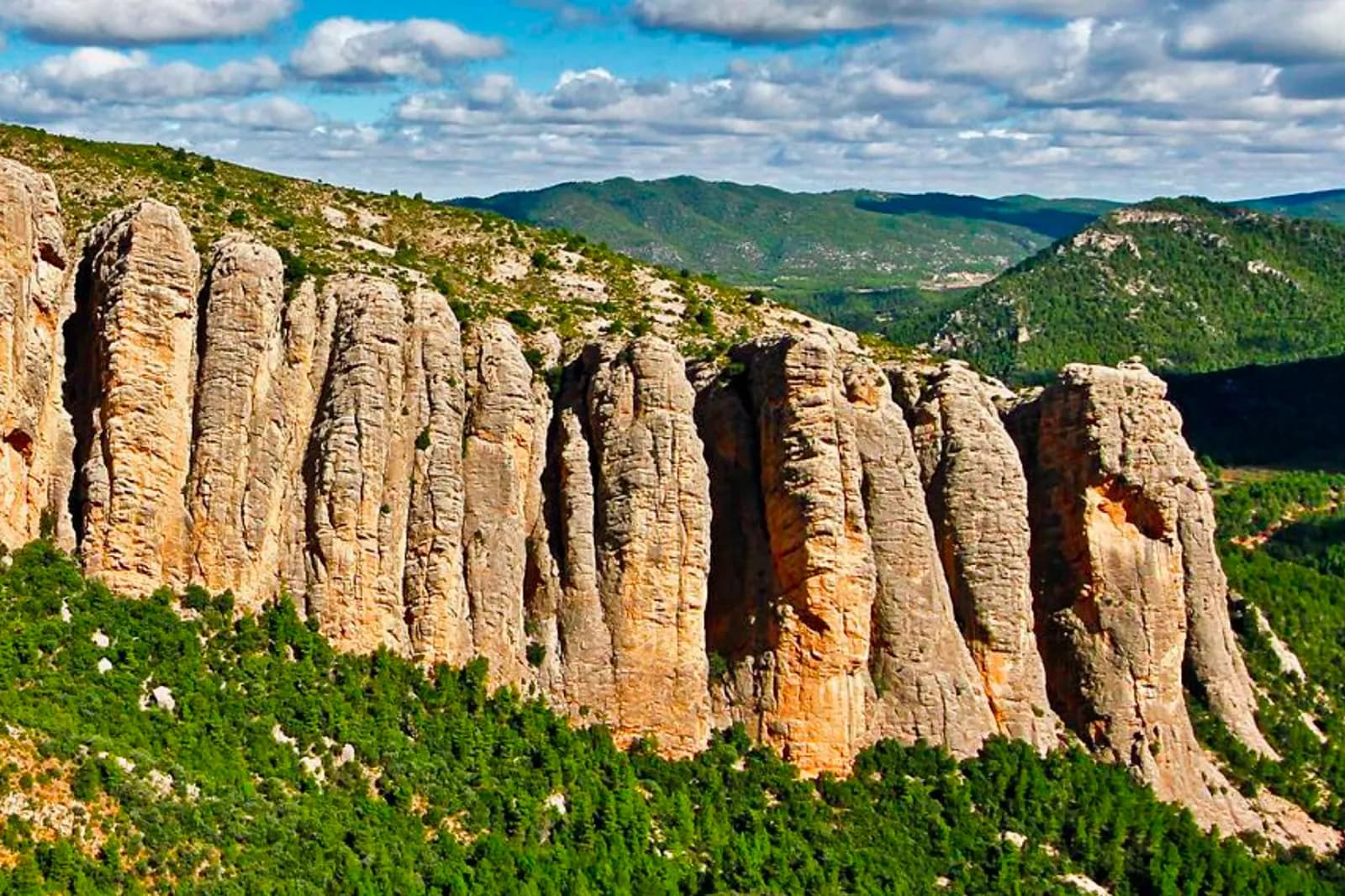
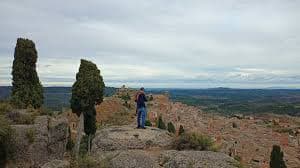
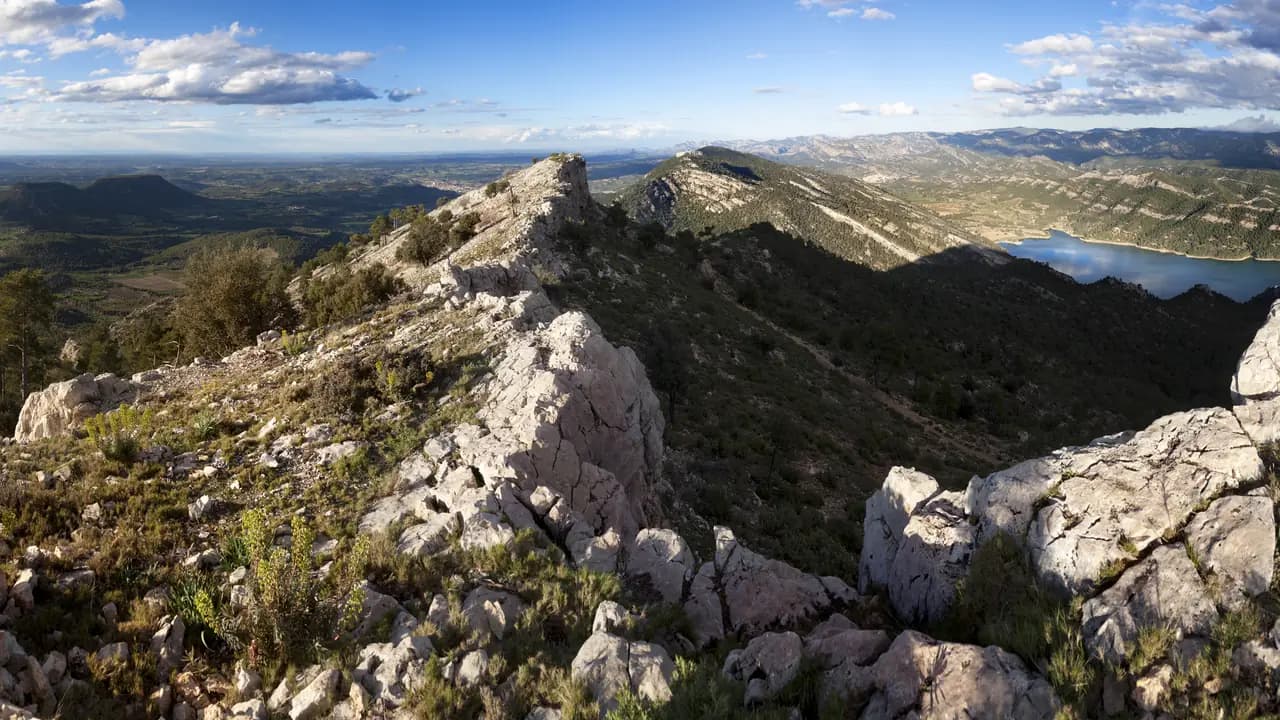
Mountains define the character of the Matarraña. From the summits of Els Ports to the sierras and muelas that stretch across the whole region, the relief traces a landscape of forests, ravines, rivers and spectacular rock formations that make this territory one of the most singular natural areas in Aragon.

Among its most emblematic mountains are the Tossal del Rei, the Encanadé, L'Hereu, the Boixet, Peñagalera, La Picossa, La Caixa and the impressive Peñas de Masmut. Each one offers a different perspective on a territory where nature still plays the leading role.

These mountains are much more than a landscape. They are the source of the region's main rivers, a refuge for extraordinary biodiversity and the setting for countless stories and traditions linked to the territory. Walking their trails, taking in their panoramic views or discovering their most hidden corners is an invitation to connect with the most authentic essence of the Matarraña.
Adventure

A territory to discover

The Matarraña is a destination where nature invites you to get moving, explore and enjoy new experiences. Its mountains, rivers, forests and landscapes offer countless possibilities for those who enjoy outdoor activities.

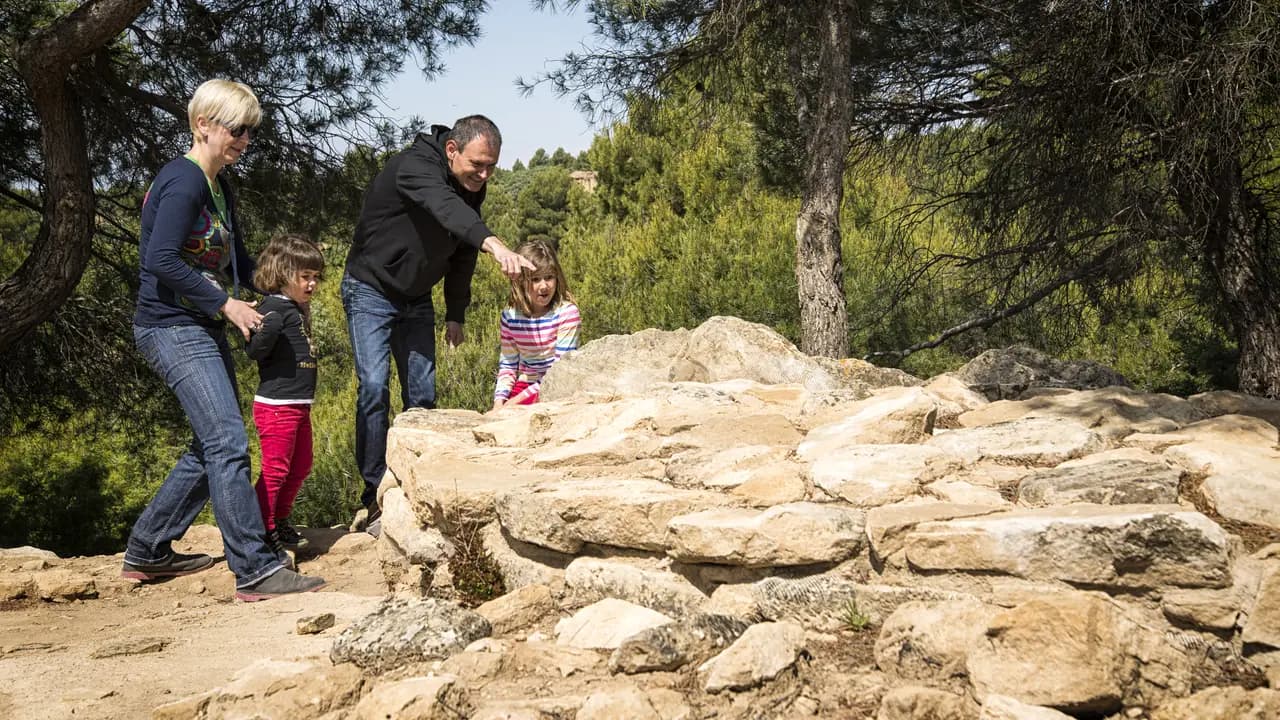
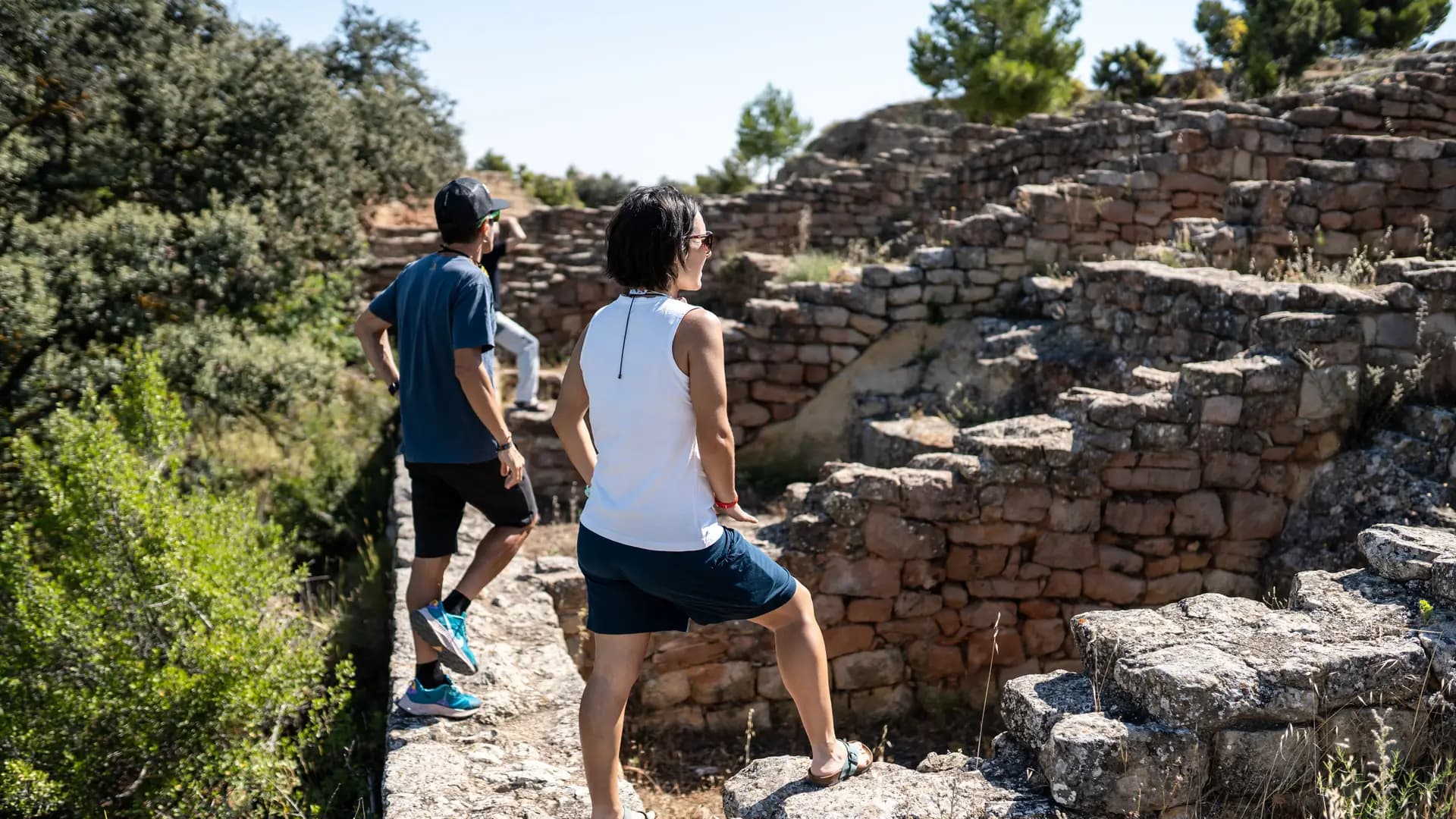
Hiking is one of the best ways to discover the territory. The 18 municipalities have waymarked routes that allow you to explore very diverse landscapes, from Mediterranean forests and riverbanks to historic paths leading to hermitages, Iberian settlements, old masías (traditional farmhouses) and dry-stone constructions that form part of the territory's identity.

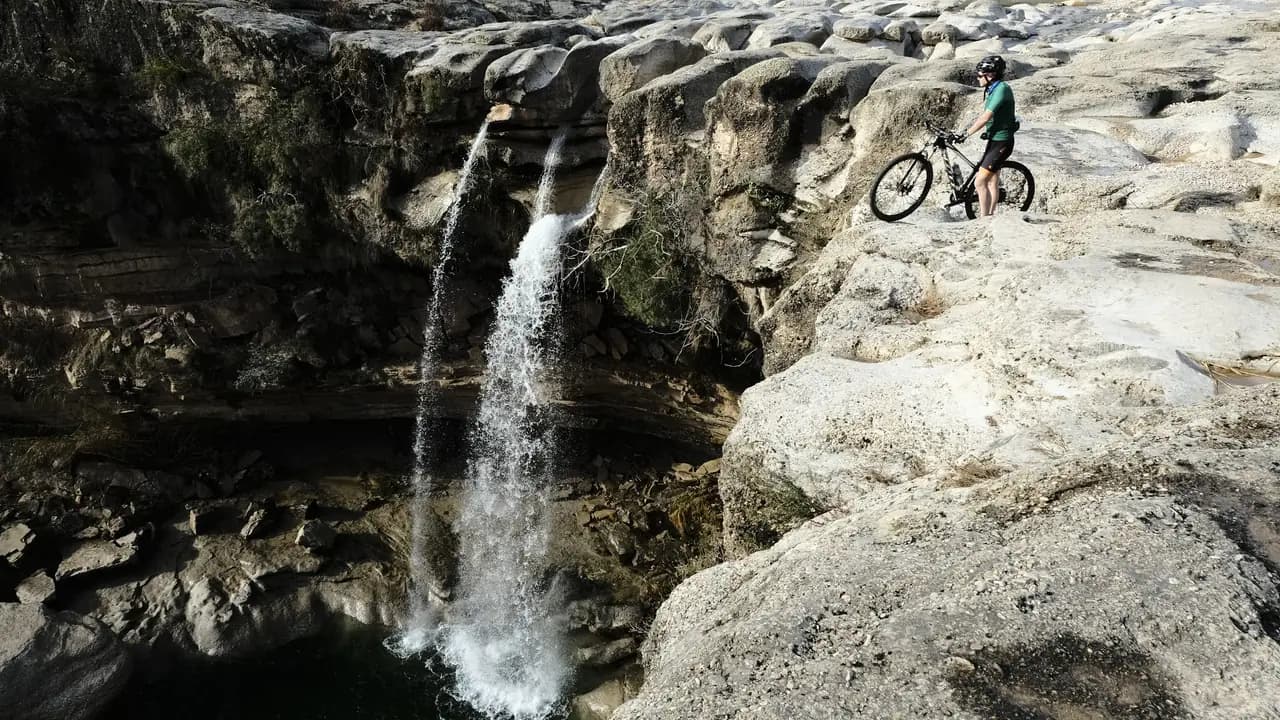
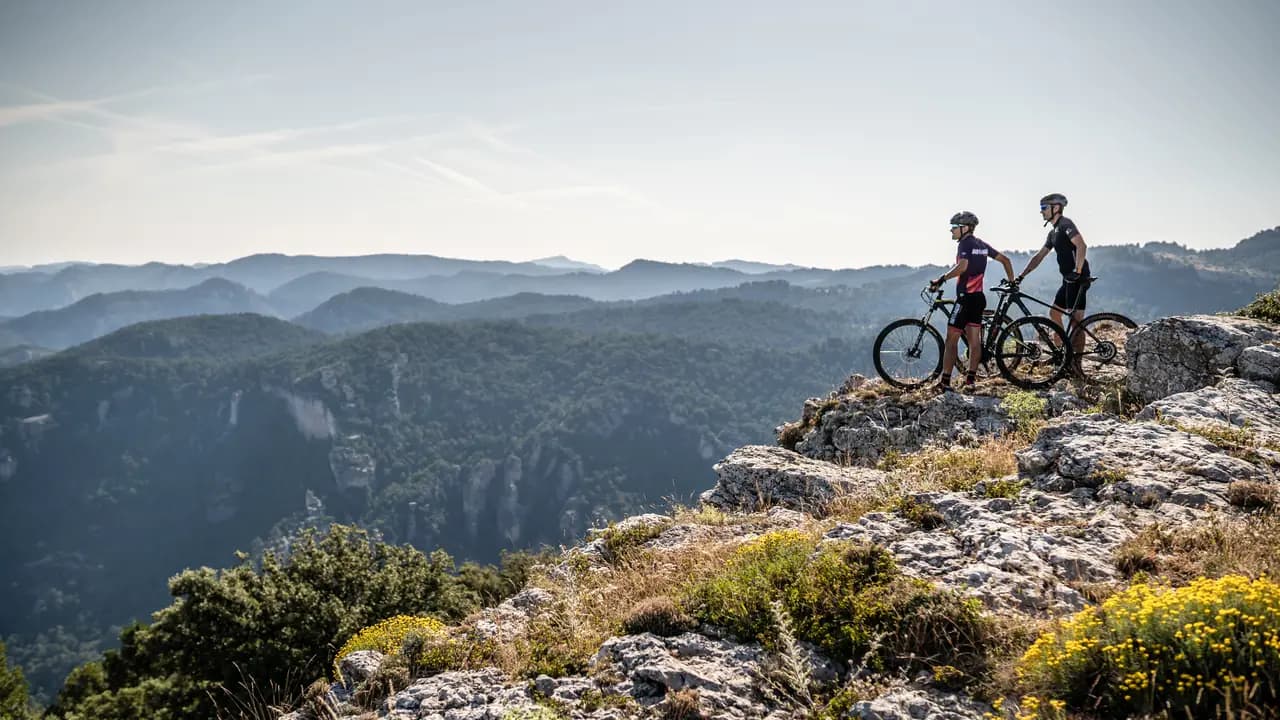
Cycling enthusiasts will find quiet roads, MTB routes and itineraries that cross some of the most beautiful corners of the region. Trail running also has a privileged setting here, with trails and paths that allow you to discover nature at a different pace.

The mountains and rock formations of the Matarraña also offer interesting possibilities for climbing and for exploring caves and natural rock shelters, spaces that allow you to delve into the geological richness of the territory.

Water also opens the door to new adventures. The rivers and aquatic spaces make it possible to enjoy activities such as canyoning or swimming in natural surroundings. In addition, the Pena reservoir has become an ideal place for canoeing and other water activities, enjoying the landscape from a different perspective and in full contact with nature.

For those seeking a more leisurely experience, horse riding allows you to explore rural paths, forests and agricultural landscapes, following the calm rhythm of the territory.

Whether walking, pedalling, paddling, running, climbing or riding, the Matarraña offers a wide variety of experiences to connect with nature and discover a territory full of landscapes, heritage and adventure.

Tradition

The essence of a living territory

Tradition is part of the landscape of the Matarraña. It is present in its stone villages, in the cobbled streets, in the hermitages that dot the territory and in the scattered masías (traditional farmhouses) that for generations have shaped the way of inhabiting these lands.

It is a tradition linked to traditional trades and to the use of the resources of the surroundings. Agriculture, livestock farming, olive oil production and the cultivation of almond trees and vines have set the rhythm of life for centuries and remain part of the identity of the region.

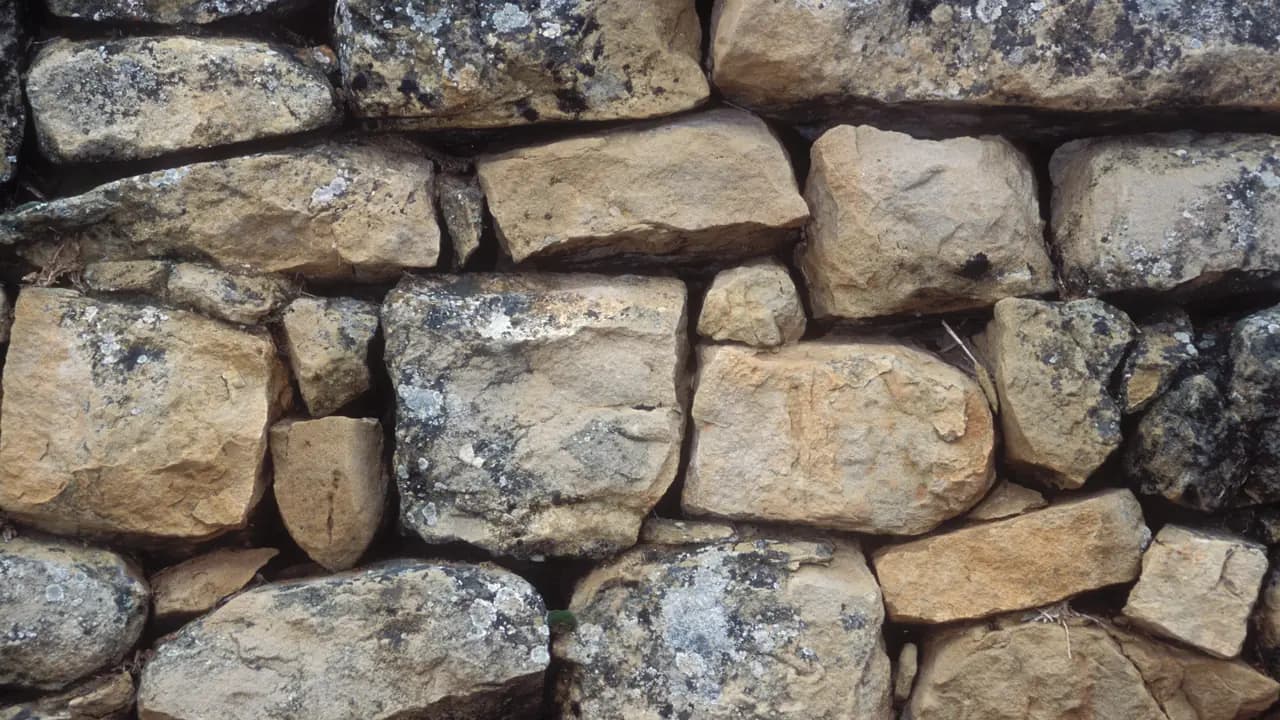
It is also reflected in a valuable heritage built with materials from the territory itself: dry-stone walls, ovens, ice houses, washhouses, bridges, weirs and paths that have connected villages and landscapes for generations.

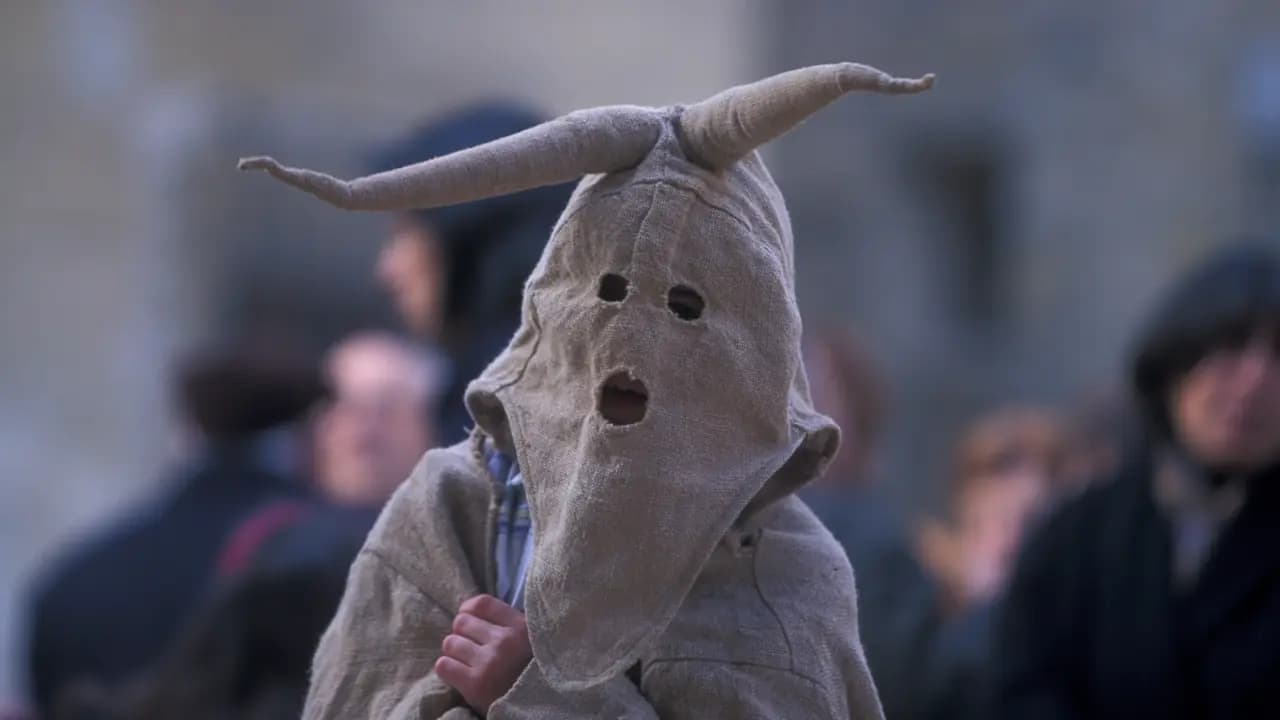
Popular festivals keep alive the legacy of those who came before us. Celebrations such as Sant Antoni, patron saint festivals, pilgrimages, fairs and traditional gatherings continue to bring locals and visitors together around music, gastronomy and conviviality.

Tradition can also be tasted. The cuisine of the Matarraña preserves recipes handed down from generation to generation, made with local, seasonal produce that speaks of the territory and its people.

But, above all, the tradition of the Matarraña is a way of understanding life: a close relationship with the landscape, respect for what has been inherited and the ability to keep alive customs that continue to give the region its identity and character.

Water

The essence that gives life to the Matarraña

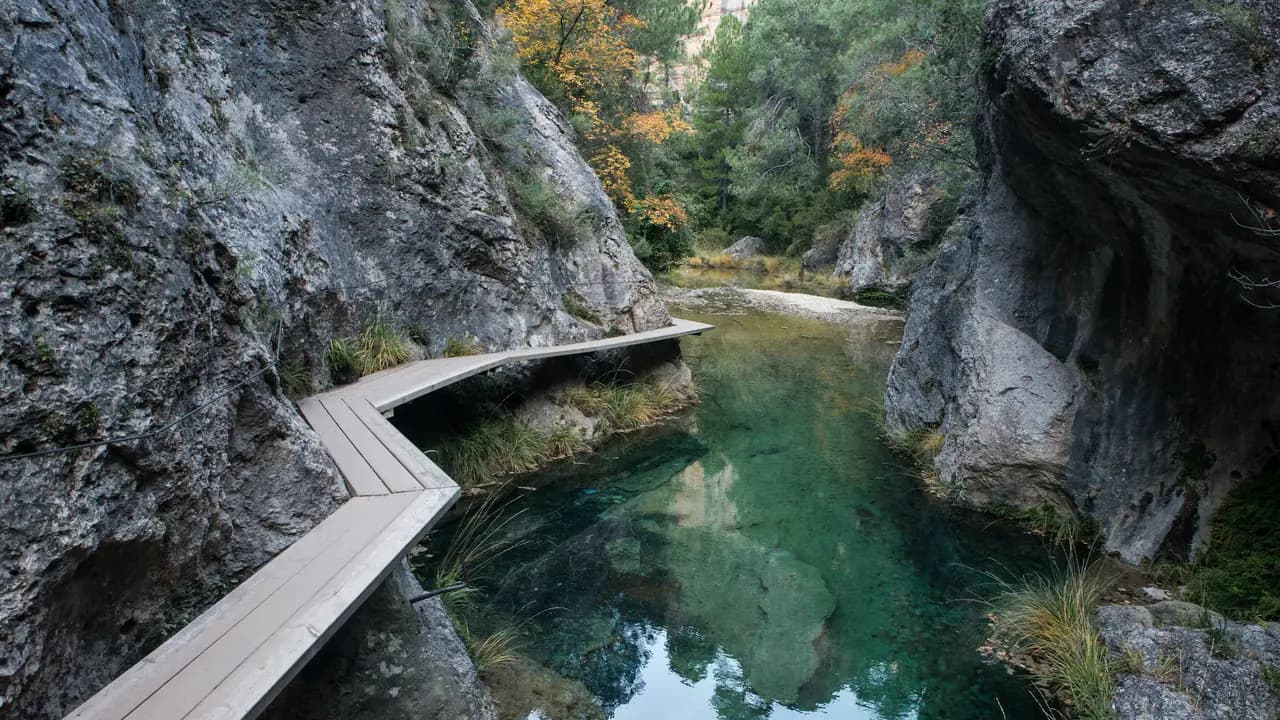
Water has shaped the landscape and history of the Matarraña. Rivers, ravines, fountains, natural pools and springs run through the territory, creating some of its most emblematic spots and bringing life to ecosystems of great natural value.

The Matarraña River, which gives the region its name, acts as the backbone of the territory. It is joined by other watercourses such as the Algars, the Tastavins, the Ulldemó and the Pena, which rise among mountains and cross forests, market gardens and villages, tracing landscapes of great beauty.

Along its course, water has carved narrows, gorges, waterfalls and natural pools that today form part of some of the most visited places in the region. Spots such as the Parrizal de Beceite, the Pesqueras, the Salt de la Portellada waterfall, the Toll del Vidre and the Estrets are examples of the close relationship between water and the landscape.

But water has not only given shape to nature. It has also been essential to the development of local communities. Mills, weirs, irrigation channels, washhouses and old factories linked to the use of water power recall the importance this resource has had in the everyday life of the villages of the Matarraña.

Today, as well as being a valuable natural heritage, water offers many opportunities for enjoyment and adventure. From riverside walks to natural bathing areas, water activities and routes that reveal some of the coolest and most surprising corners of the territory.

In the Matarraña, water is not just an element of the landscape. It is a constant presence that connects mountains, villages and people, and that continues to give life to one of the most authentic regions of the inland Mediterranean.

Roots

Centuries of history in every corner

The roots of the Matarraña go back thousands of years. This territory has been a meeting place, a frontier and a crossroads of cultures that have left a visible mark on the landscape and on the villages we know today.

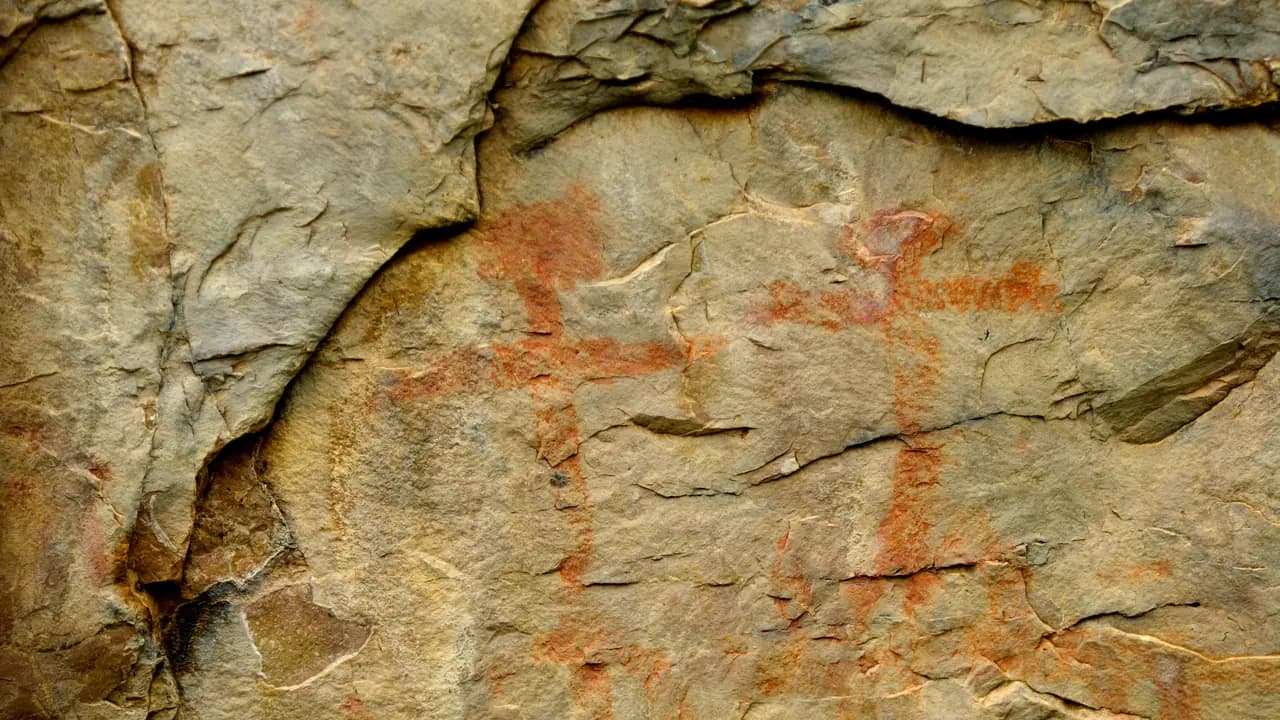
The earliest traces of human presence appear in the rock paintings of rock shelters such as La Fenellassa and the Calapatá ravine. Later, the Iberians settled in fortified villages located in strategic places, such as the emblematic settlement of San Antonio de Calaceite, one of the most important archaeological complexes in Aragon.

Romans, Visigoths and Muslims also left their legacy. Certain ways of using water, old paths, place names and features of the landscape still preserve the memory of those cultures that helped to shape the territory.

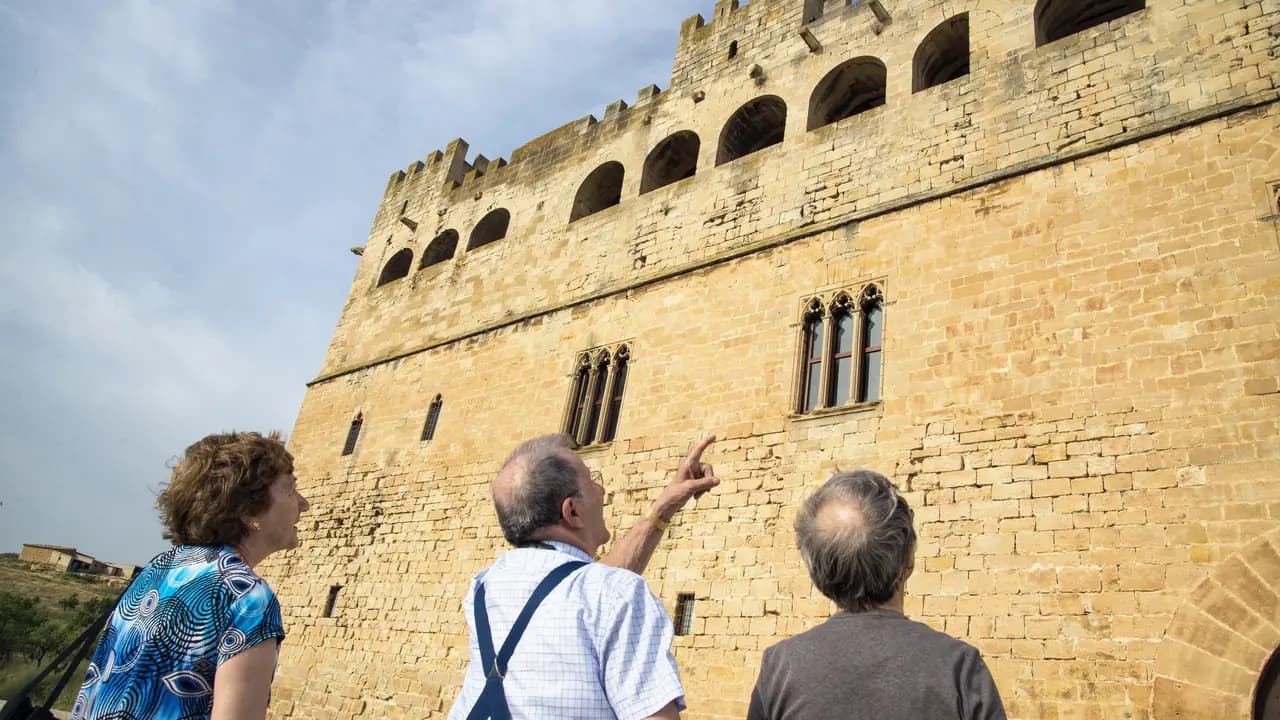
The Middle Ages profoundly shaped the identity of the Matarraña. The Christian repopulation, the presence of the Order of Calatrava, the power of the bishoprics and the building of castles, churches, bridges and walls gave shape to many of the villages that today preserve an extraordinary historical heritage.

Over the centuries came new periods of prosperity, conflict and transformation. The olive oil trade, the fairs, the Renaissance town halls, the wars, the arrival of the railway and modernisation gradually left their mark on a territory that has managed to preserve its essence.

Today, the roots of the Matarraña live on in its villages, in its architecture, in its traditions, in its agricultural landscapes and in the people who continue to keep alive a legacy built generation after generation.

Rock

The landscape sculpted by time

Rock is one of the elements that best defines the personality of the Matarraña. Present in mountains, ravines, narrows, caves and singular formations, it has shaped some of the most spectacular landscapes of the region over millions of years.

The vertical walls of the Peñas de Masmut, the narrows of the Parrizal, the Gúbies del Ulldemó, Peñagalera and the many cliffs and muelas that dot the territory are the result of the constant action of water, wind and time on the stone.

But rock has not only given shape to the landscape. It has also conditioned the way of inhabiting the territory. It was used to build villages, castles, churches, bridges, masías (traditional farmhouses) and kilometres of dry-stone walls that still form part of the identity of the Matarraña today.

Rock is a refuge for birds of prey, a stage for outdoor activities and a silent witness to history. Its shelters preserve rock paintings, Iberian settlements rose on its summits, and millions of years of geological evolution can be read in its walls.

To discover the rock of the Matarraña is to discover the origin of its landscapes, the force of nature and the close relationship between the territory and the people who have inhabited it over time.

Agriculture

A landscape cultivated for generations

Agriculture has been, and remains, one of the hallmarks of the Matarraña. Over the centuries, people have transformed the territory with respect and effort, creating an agricultural landscape that today forms part of the essence of the region.

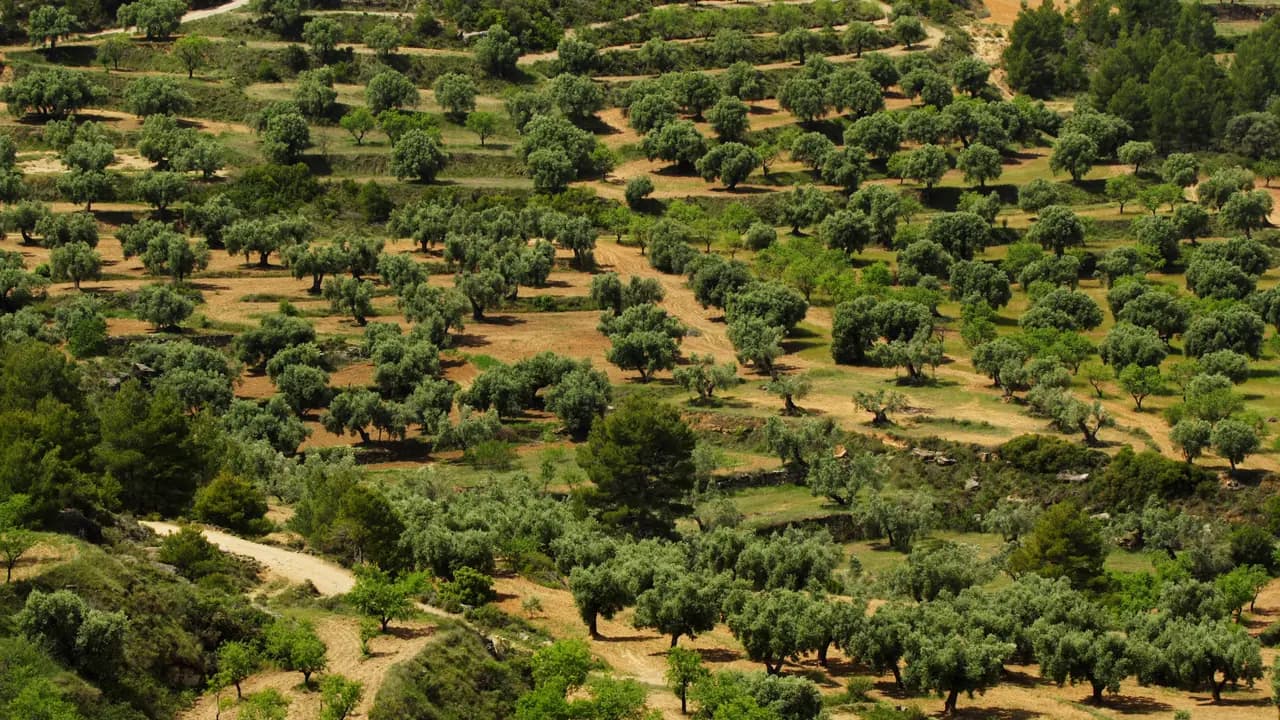
Olive trees, almond trees, vineyards, market gardens and cereal fields draw a mosaic that changes with the seasons and gives character to every corner of the territory. The almond blossom in spring, the golden tones of the fields in summer, the grape harvest in autumn and the olive picking are scenes that form part of everyday life in the Matarraña.

Agriculture has not only produced food; it has also shaped the landscape. Dry-stone terraces, rural paths, ponds, irrigation channels, masías (traditional farmhouses) and small agricultural buildings speak of generations who learned to adapt to a land marked by the mountains, the rivers and the Mediterranean climate.

Olive groves hold a prominent place. Extra virgin olive oil is one of the most representative products of the region and has been an economic and cultural driving force for centuries. Alongside it, vines, almond trees and traditional market gardens continue to form part of a way of life closely linked to the territory.

Today, agriculture remains a fundamental activity for conserving the landscape, keeping the villages alive and preserving a relationship with the land that has been passed down from generation to generation. Because to understand the Matarraña is also to understand the work of those who have farmed and cared for this territory over the centuries.

Yum

The flavour of the territory

The Matarraña can also be discovered through the palate. Here, gastronomy is part of the landscape and of the way of life. The olive groves, vineyards, market gardens, almond trees and hills provide the ingredients of a cuisine that has evolved to the rhythm of the seasons and of the people who work the land.

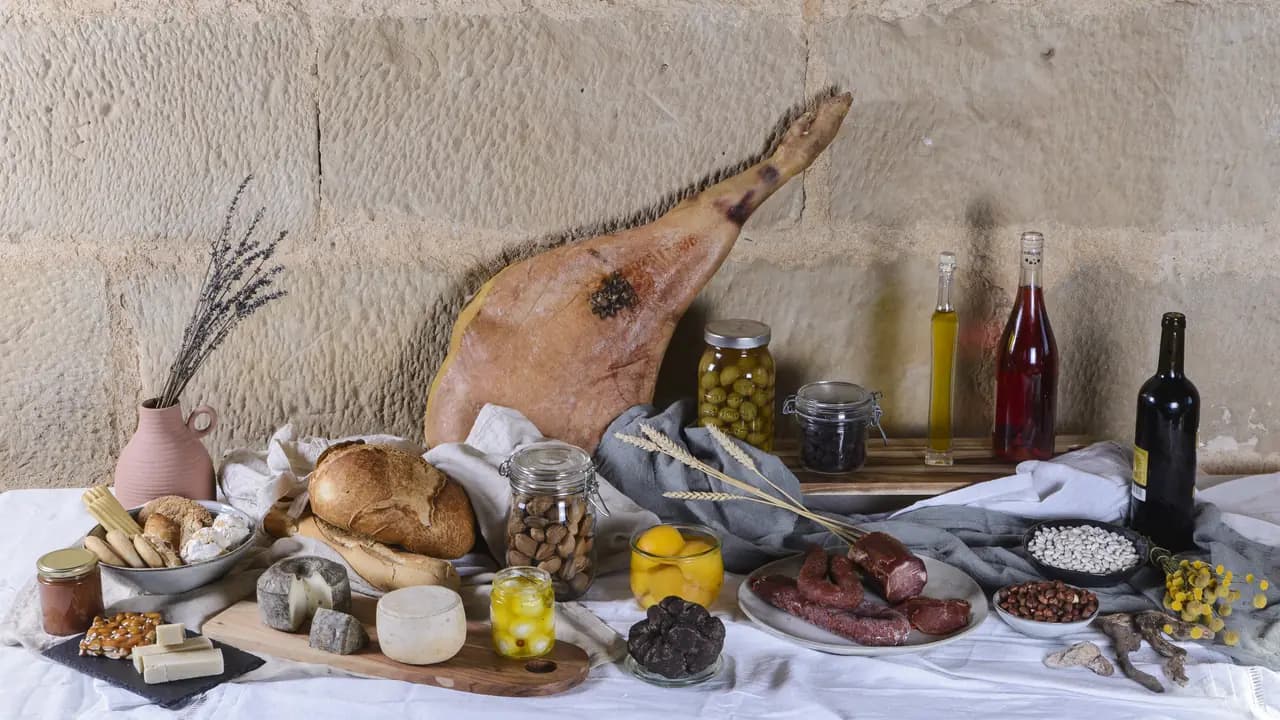
Extra virgin olive oil, wines, ham, cured sausages, artisan cheeses, honey, black truffle, almonds and peaches form part of the larder of the Matarraña. They are joined by traditional products and preparations such as ternasco, rabbit, fesols de Beseit and artisan bread, made with recipes and knowledge handed down from generation to generation.

Confectionery also holds a prominent place in the gastronomy of the region. Sweets such as casquetas, almendrados, mantecados and roscones de Pascua are part of celebrations, family gatherings and the collective memory of the villages. They are simple recipes that preserve the flavour of tradition and the character of a land tied to almonds, olive oil and local produce.

The traditional cooking of the Matarraña speaks of making the most of every ingredient, of locally sourced produce and of respect for the rhythms of nature. Each dish tells a story linked to the people who have farmed the land, cared for the livestock or kept alive the recipes inherited from their ancestors.

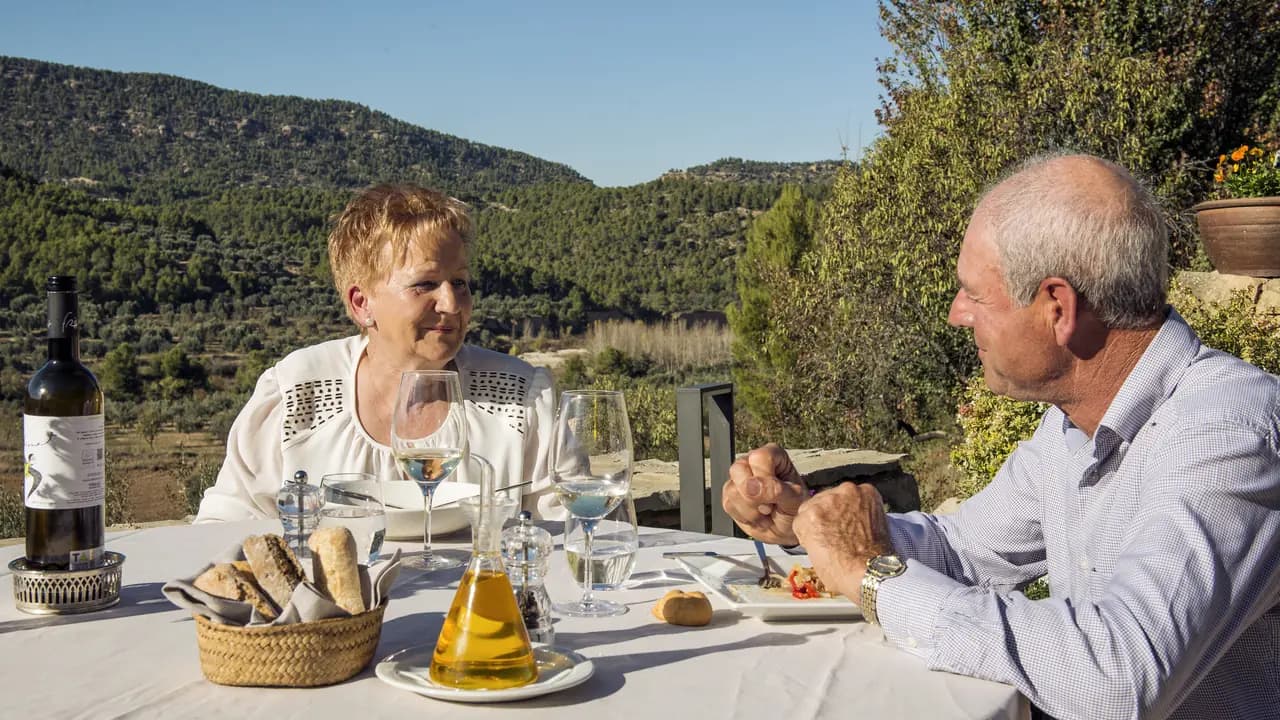
But the gastronomy of the Matarraña is much more than a sum of products and recipes. It is sitting around a table, sharing an unhurried conversation and discovering the territory through its flavours. Because here every dish holds a connection with the landscape and every meal becomes an experience that invites you to get to know the region better.

Savouring a freshly made casqueta, sharing a dish of ternasco, discovering fesols de Beseit or dipping artisan bread in extra virgin olive oil is also a way of getting to know the Matarraña. A journey where tradition, local produce and hospitality come together to turn every meal into an unforgettable memory.

Art

Creativity in all its forms

The Matarraña surprises with the presence of artists, artisans and cultural spaces spread across the whole territory. In a region of small villages, disciplines as diverse as painting, sculpture, photography, printmaking, ceramics, illustration, crafts and the performing arts coexist.

Throughout the year, open workshops, exhibitions, galleries, museums and art centres make it possible to discover the work of people who have found in the Matarraña a place to develop their projects and share them with the public.

The cultural programme of the region includes contemporary art exhibitions, theatre festivals, cultural gatherings, and art and craft markets and fairs that turn squares, streets and historic buildings into spaces for creation and encounter.

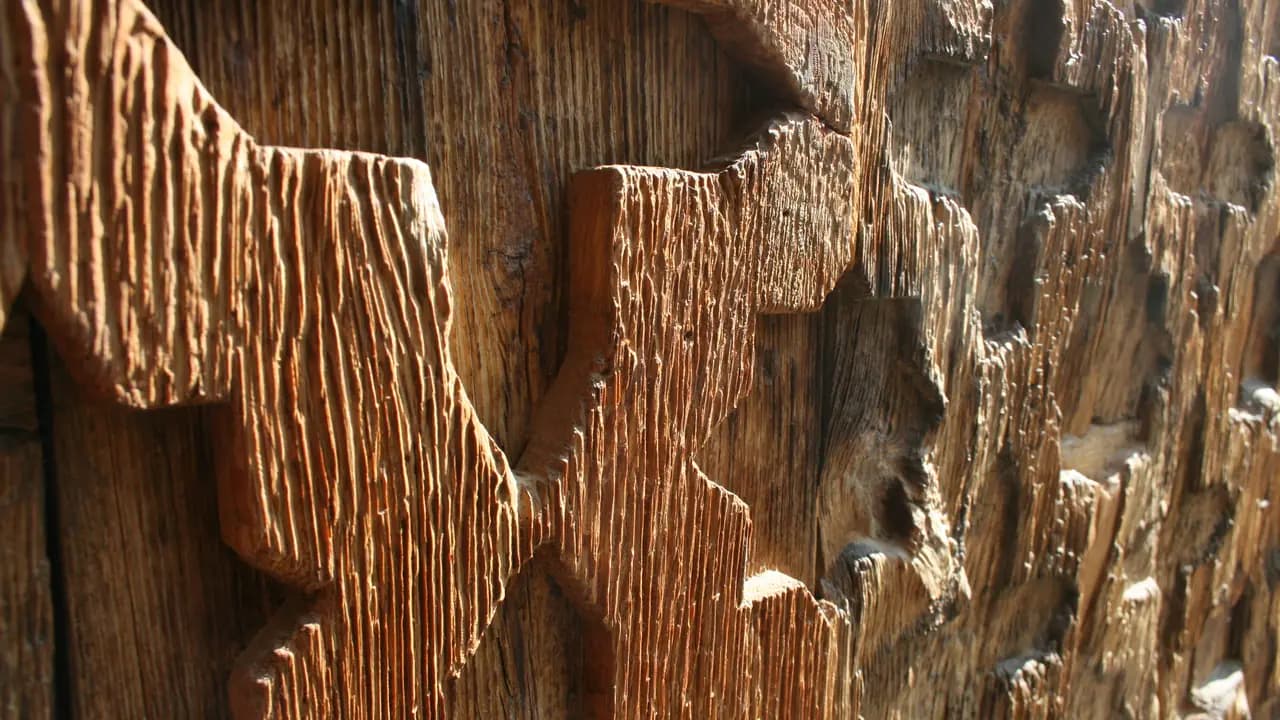
Alongside this contemporary artistic activity, the territory preserves an important craft tradition linked to ceramics, wood, textiles, ironwork and other trades that continue to be handed down and to evolve with fresh perspectives.

The result is a region where culture forms part of everyday life and where art can be discovered as much in exhibition spaces as in the workshops, streets and villages that bring the territory to life.

Experiences

Your next adventure awaits

Your next adventure awaits

Among ravines and trails, fascinating mountains await you, with incredible rock formations that will leave you speechless. Discover unique places in the region.

Discover more

Subscribe to our newsletter

Entries

Articles, news and guides about Matarraña

View blog
Circular Cretas-QueretesDestination
2 Min read

Circular Cretas-Queretes

A 21 km circular hiking route through the Cretas-Queretes area, rated easy difficulty. A signposted trail passing by springs, lime kilns, pre-Iberian settlements and rock art amid pine and holm oak landscapes.

Read more: Circular Cretas-Queretes