Images of the surroundings of the paper mills
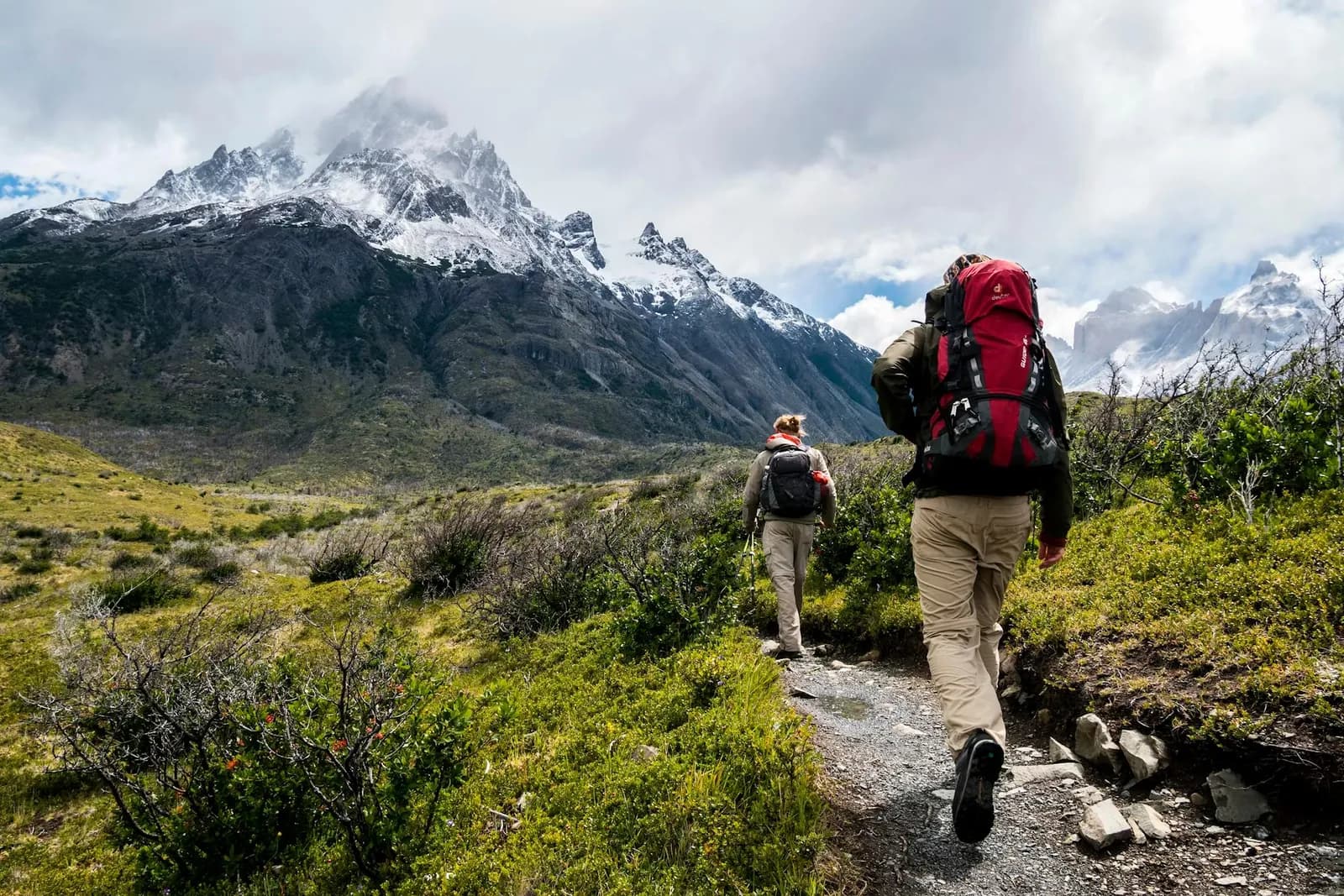
Discover the natural beauty of the surroundings of the Matarraña River, a key element for the operation of this important paper industry in Beceite.

Explore the rich history and industrial legacy of the paper mills in Beceite, a key point in the paper production of the Matarraña region, where high-quality paper was made for uses as varied as playing cards or Goya's engravings.
The paper mills of Beceite have a rich history that, although with much earlier origins, developed especially in the late 18th and early 19th centuries. The local parish priest, Joaquín de Liedana, provided records about this flourishing industry in his parish registers. In 1804, the last of a total of nine paper factories in Beceite was inaugurated.
Paper production in Beceite was boosted by the tariff increase on the rags used for paper manufacturing, imposed by the Bourbons in the 18th century. This encouraged entrepreneurs and merchants from Aragon and Catalonia to establish thirteen paper mills in Beceite and Valderrobres.
Artisan manufacturing guaranteed the production of high-quality paper, which found applications in various fields. Some mills, for example, worked for Heraclio Fournier in the manufacture of playing cards, and banknotes were produced for the State. Even the famous painter Goya used Beceite paper for his engravings.
Discover the natural beauty of the surroundings of the Matarraña River, a key element for the operation of this important paper industry in Beceite.
The main production was distributed to major consumer centres such as Barcelona, Valencia, Madrid and Bilbao. This transport was carried out by cart on journeys that could last several days. The first paper factories were smaller, with one or two "tinas" for making paper pulp. However, during the 19th century, the "pila holandesa" was introduced in all factories, and was used until the 1970s. The nine paper factories in Beceite were la Cremada, la de Martí, lo Molí del Toscá, la de Taraganya, la de Noguera, la de Solfa, la de Morató, la del Batá and la del Pont Nou. These factories used the water of the Matarraña River to drive their wheels by means of channels, acequias, azudes and tunnels, which contributed to the success of this industry in the area.
Benedicto XIII, the Pope Luna, in 1411 granted his personal physician the convert Jerónimo de Santa Fe the rights to the «cloth mill» in «Bezeyt», belonging to the archiepiscopal table of Zaragoza. This is the first written reference to the mills in Beceite to have survived to our day.
Matarraña · Tourism
Discover accommodation, local guides and services for your route through Matarraña.